Quick answer
The most common causes of dog diarrhea include sudden changes in diet, eating spoiled food, stress, or intestinal parasites. While many cases resolve quickly, persistent symptoms require a visit to a veterinarian for proper diagnosis and care.
Dietary Indiscretion and Sudden Changes
One of the most frequent reasons dogs experience digestive upset is eating something they should not have. This often includes table scraps, garbage, or even decaying matter found in the yard. Veterinarians often refer to this as dietary indiscretion.
A sudden switch to a new brand of dog food can also trigger loose stools. The canine digestive system needs time to adjust to new protein sources and fiber levels. If you are changing your dog's diet, it is best to do so gradually over the course of a week to avoid irritation.
Stress and Environmental Triggers
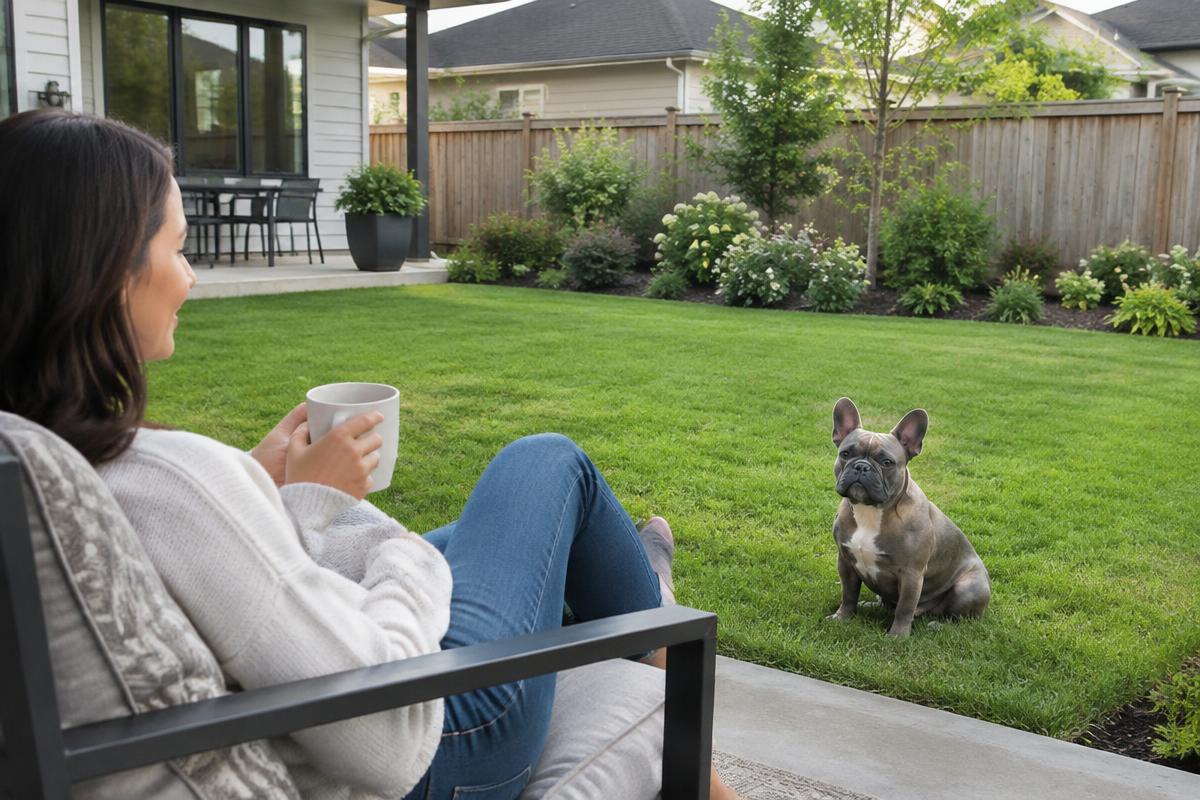
Just like humans, dogs can experience physical symptoms due to emotional stress or anxiety. Changes in the household, such as moving to a new home in Morris County or welcoming a new baby, can lead to a nervous stomach.
Environmental stressors, including thunderstorms or loud construction, can also impact a dog's digestion. Monitoring your pet during times of transition can help you identify if their symptoms are related to their surroundings rather than a physical illness.
Parasites and Health Issues
Intestinal parasites such as roundworms, hookworms, and whipworms are common causes of diarrhea, especially in puppies. These parasites are often contracted from contaminated soil or contact with other infected animals.
Infectious agents like bacteria or viruses can also lead to severe gastrointestinal distress. If your dog is lethargic, has a fever, or shows no interest in water, it is important to contact your local veterinarian immediately to rule out serious infections or underlying chronic conditions.
- Giardia and Coccidia
- Bacterial overgrowth
- Viral infections like Parvovirus
- Inflammatory bowel disease
When to Consult a Veterinarian
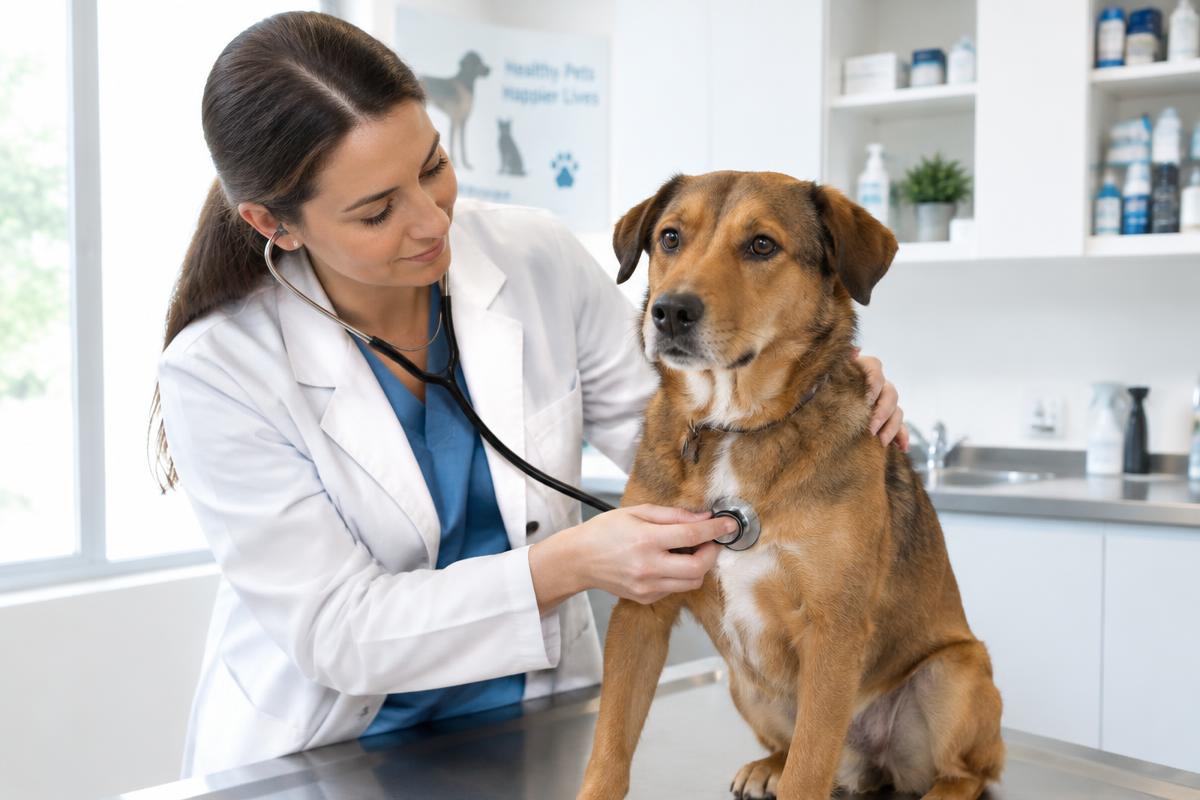
While a single episode of diarrhea might not be a cause for alarm, certain red flags require professional attention. If you see blood in the stool or if the diarrhea lasts for more than twenty four hours, do not wait to seek help.
Puppies and senior dogs are at a higher risk for dehydration. If your dog is vomiting, appears weak, or has pale gums, these are signs of a medical emergency. Always consult your vet to ensure your pet receives the correct treatment plan for their specific needs.
Maintaining a Clean Environment
Keeping your yard free of waste is an essential part of pet health and hygiene. Accumulated waste can attract pests and harbor bacteria that may lead to reinfection if your dog is already dealing with a stomach bug.
For residents in Morris County, maintaining a pristine lawn does not have to be a chore. DoodyCalls of Morris County provides professional pet waste removal services to keep your outdoor space safe and clean for the whole family. Give us a call at (973) 319-4809 to handle the cleanup so you can focus on your pet's recovery.
People also ask
Can stress cause diarrhea in dogs?
Yes, stress can cause a dog's body to release adrenaline and cortisol, which can speed up the digestive process and lead to loose stools or diarrhea.
What should I feed my dog if they have diarrhea?
Many veterinarians recommend a bland diet of boiled chicken and white rice for a few days to soothe the digestive tract, but you should always check with your vet before changing their recovery diet.
How long does dog diarrhea usually last?
A mild case caused by diet or stress often resolves within one to two days. If it persists longer than forty eight hours, professional medical advice is necessary.