
The DoodyCalls Blog
Straight answers to the questions dog owners ask Google every day, written for Morris County yards.
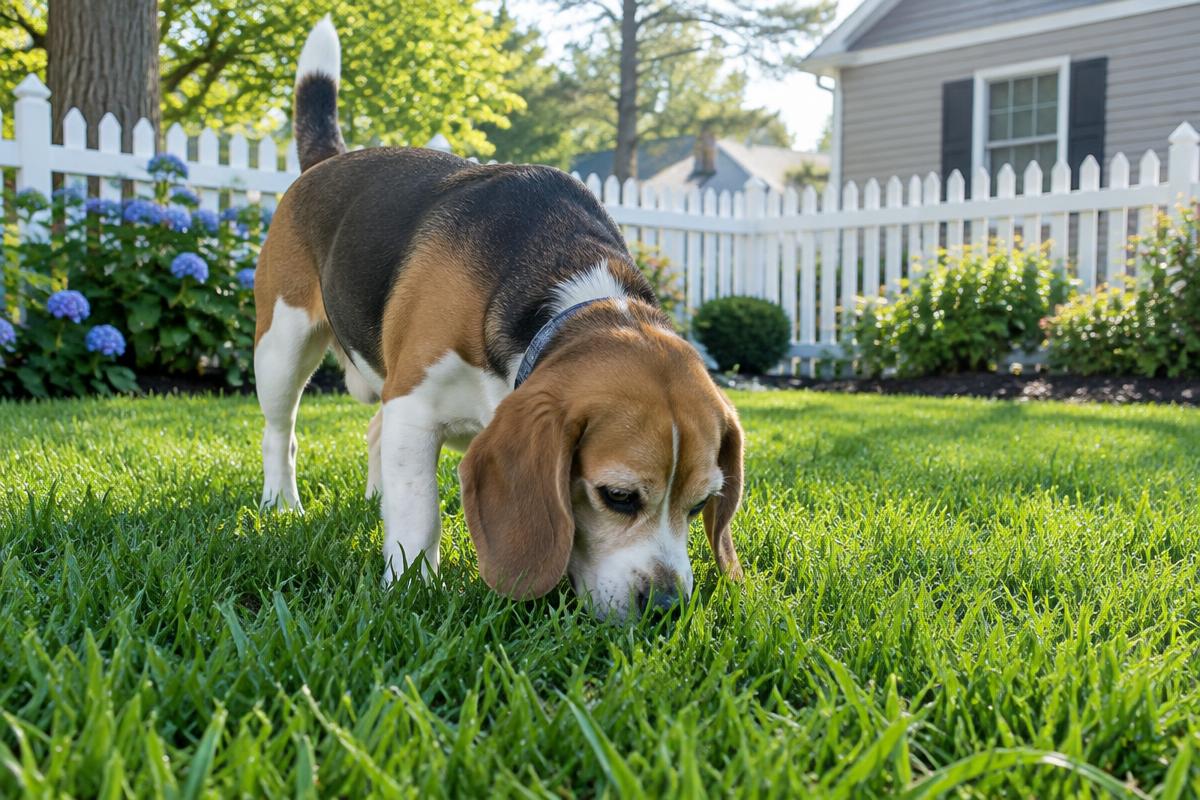
Why Do Dogs Eat Poop? A Guide for Morris County Pet Owners
It is a question that every dog owner dreads asking, but coprophagia is a common behavior. We explore the reasons behind this habit and how you can manage it at home.
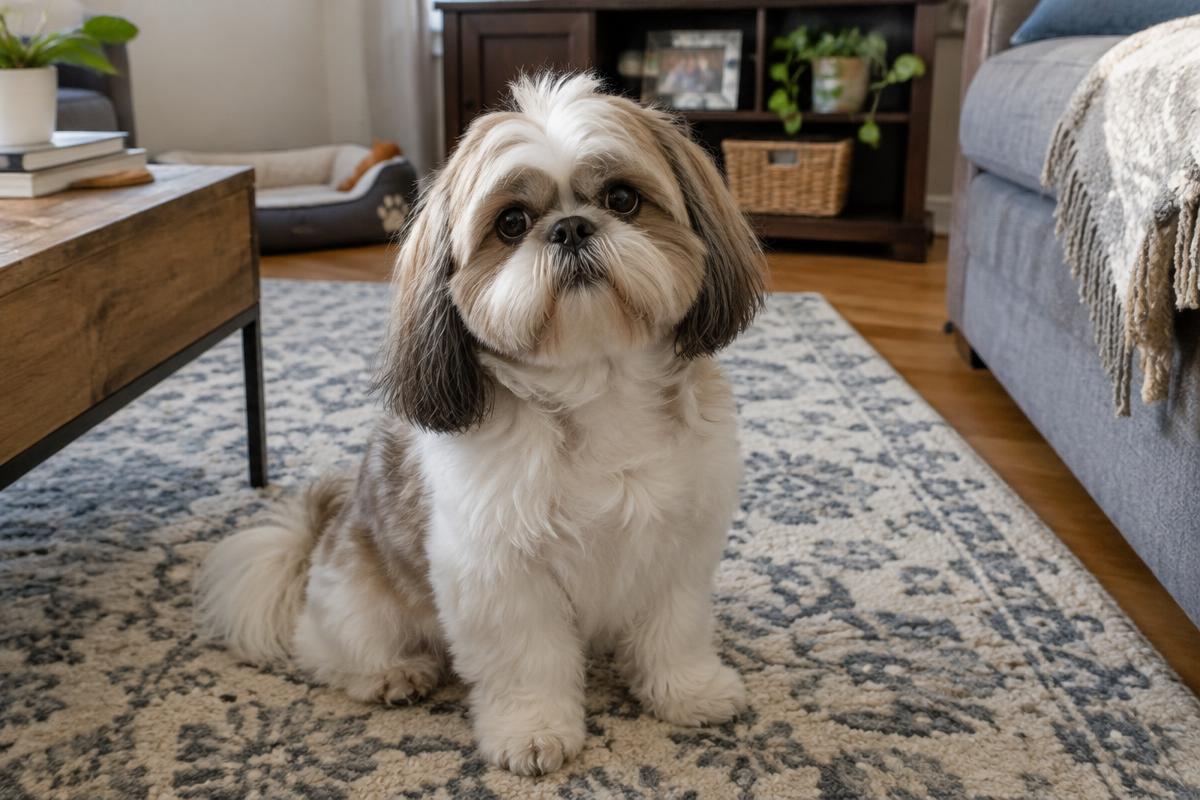
Why Do Dogs Eat Cat Poop? Understanding the Habit
It is a frustrating habit for many pet owners, but there are clear reasons why your dog might be raiding the litter box. Discover the biological and behavioral triggers behind this common canine behavior.
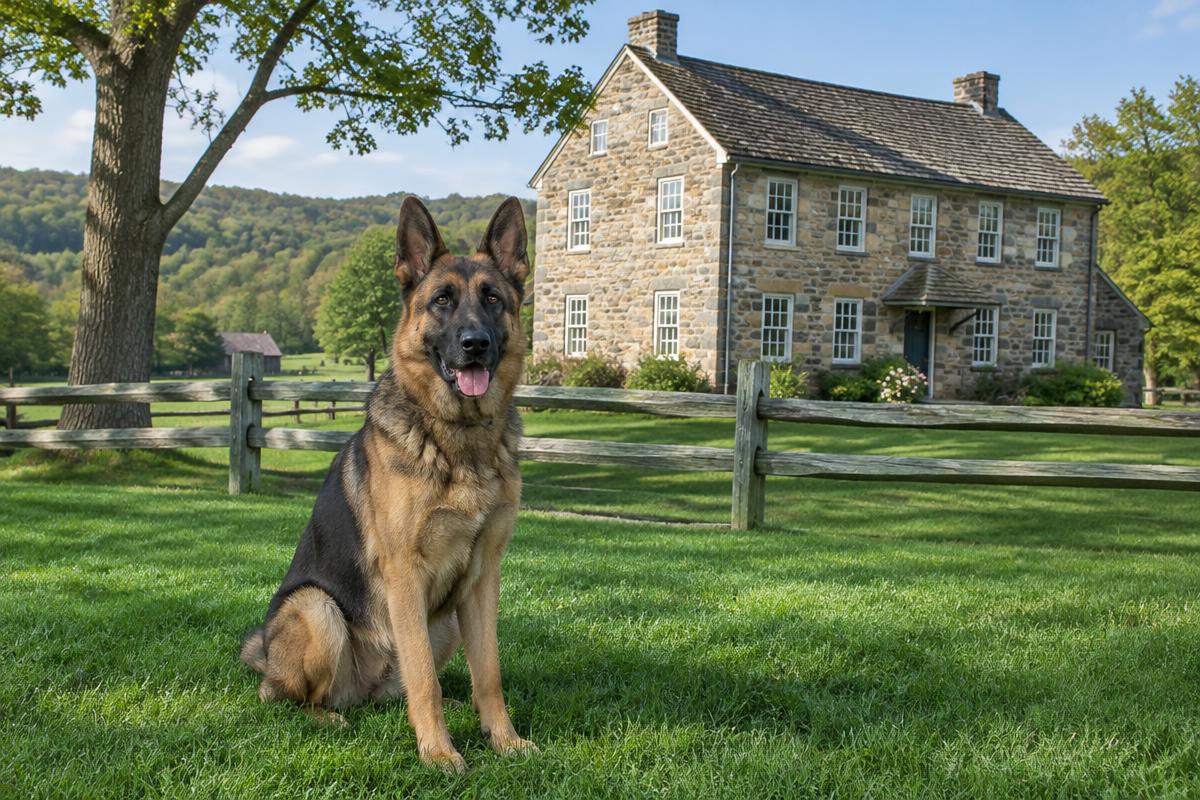
How to Stop a Dog From Eating Poop: A Practical Guide
Discover effective strategies to curb coprophagia in your furry friend. We explore training techniques and environmental management to keep your yard and pet clean.
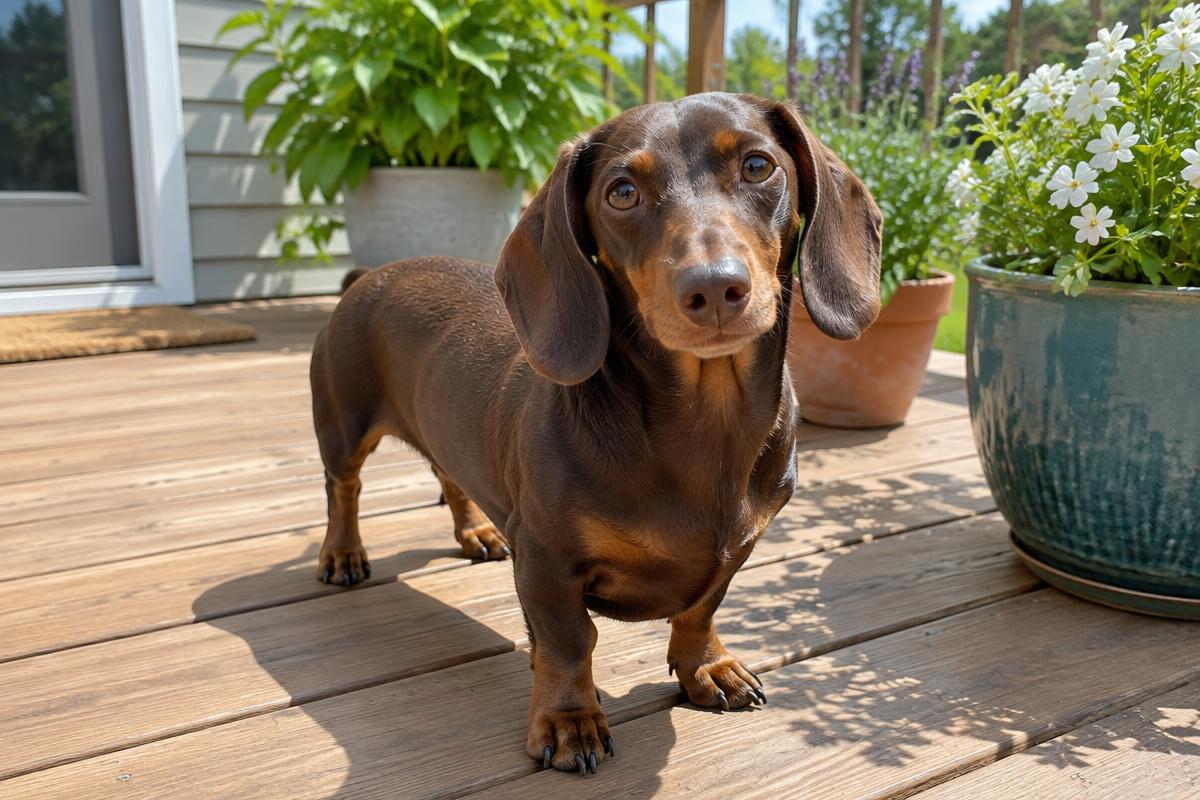
Why Do Dogs Roll in Poop? Understanding This Common Habit
It is a frustrating habit for pet owners, but rolling in waste is rooted in deep canine instincts. Understanding the reasons can help you manage your dog and keep them smelling fresh.
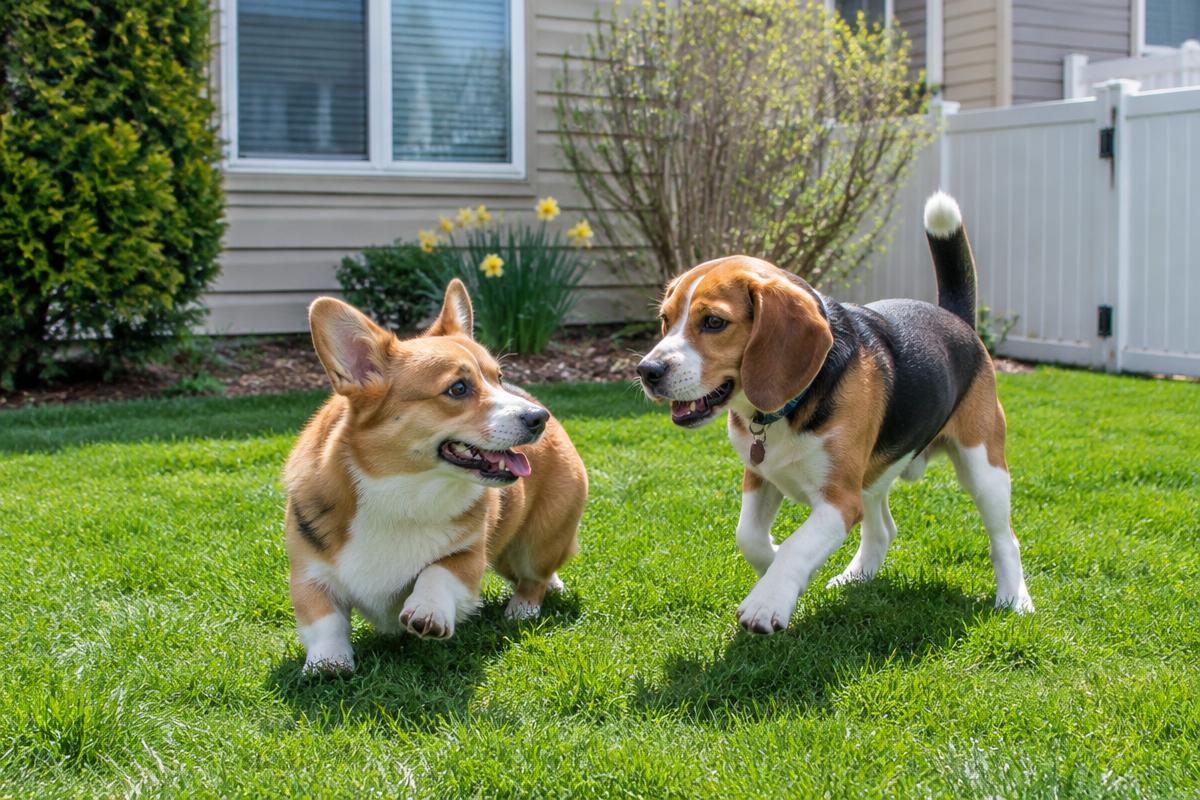
How Often Should a Dog Poop? A Guide for Pet Owners
Wondering if your dog’s bathroom habits are normal? This guide explores the factors that influence frequency and how to maintain a healthy backyard.
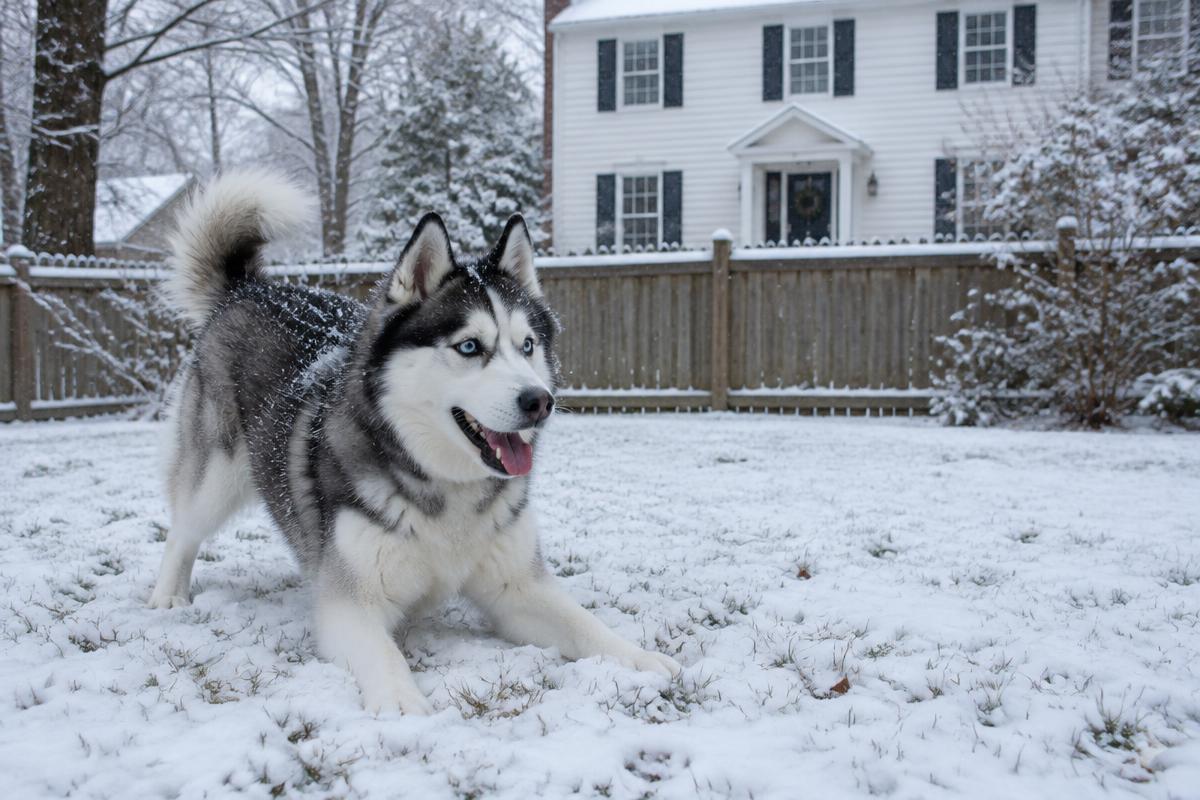
How long can a dog go without pooping? A guide for owners
It is common for pet owners to worry when their dog skips a bathroom break. This guide explains the typical timelines for canine digestion and when you should seek professional help.
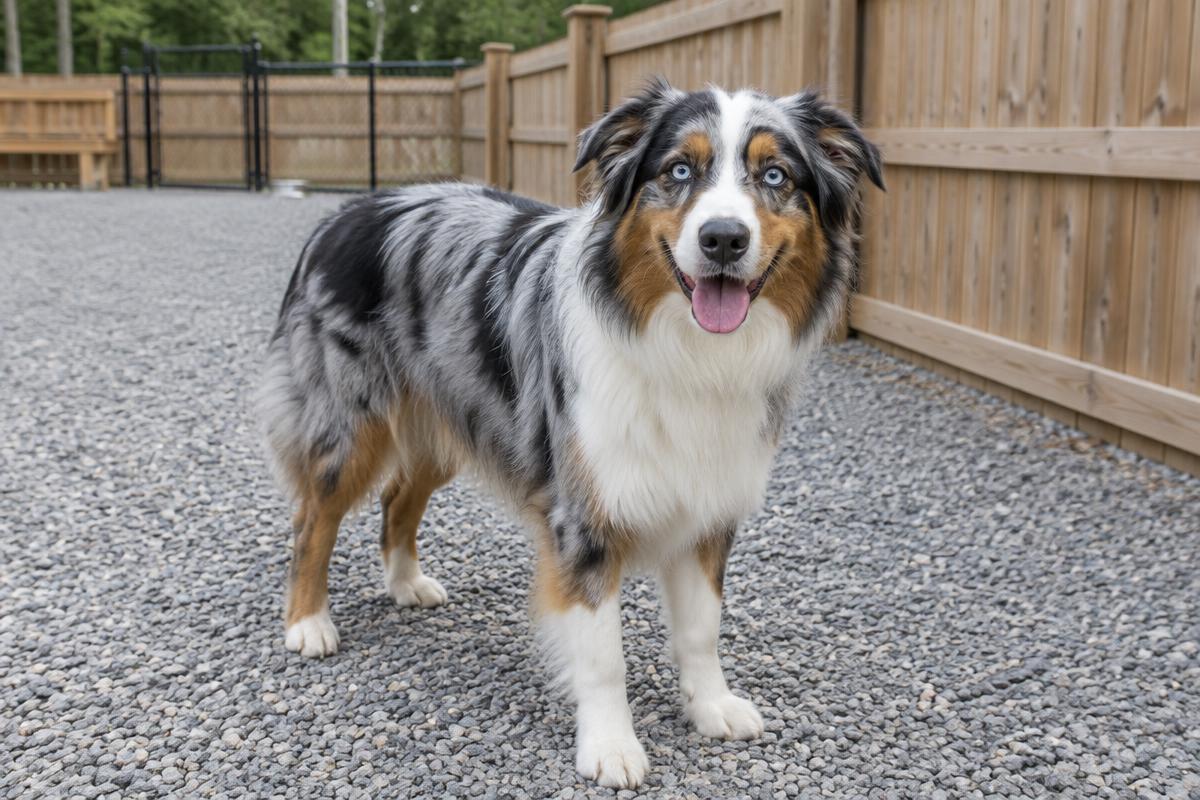
How to Make a Constipated Dog Poop Quickly
Is your dog struggling to go? Learn safe, practical ways to help your dog find relief from constipation and when it is time to call a professional.
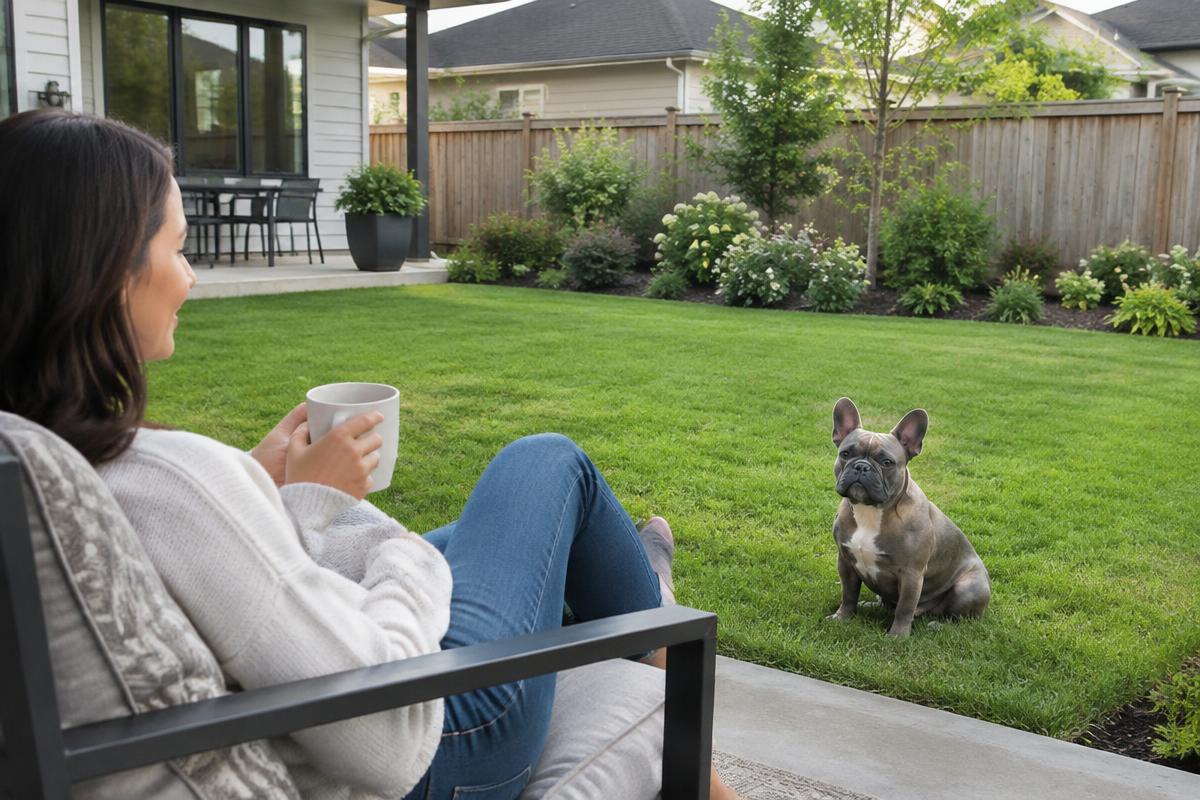
Why Is My Dog Pooping Blood? Understanding the Causes
Noticing blood in your dog's stool is a stressful experience for any pet parent. This guide explains common causes and when you should seek professional veterinary care.
What Does Mucus in Dog Poop Mean? A Pet Parent Guide
Finding a jelly like substance in your dog's stool can be alarming for any pet owner. This guide explains common causes for mucus and how to monitor your pet's health.
What Do Worms Look Like in Dog Poop? A Homeowner Guide
Discovering parasites in your yard can be alarming for any pet owner. This guide helps you identify common types of worms and explains the best steps for keeping your Morris County lawn clean.
Why Is My Dog's Poop Yellow? Understanding the Causes
Noticing yellow stool in your yard can be a confusing experience for any pet owner. This guide explores common reasons for color changes and when it is time to seek professional advice.
What Does Green Dog Poop Mean? A Guide for Owners
Noticing a change in your dog's stool color can be alarming. This guide explains the common causes of green dog poop and when it is time to call the veterinarian.
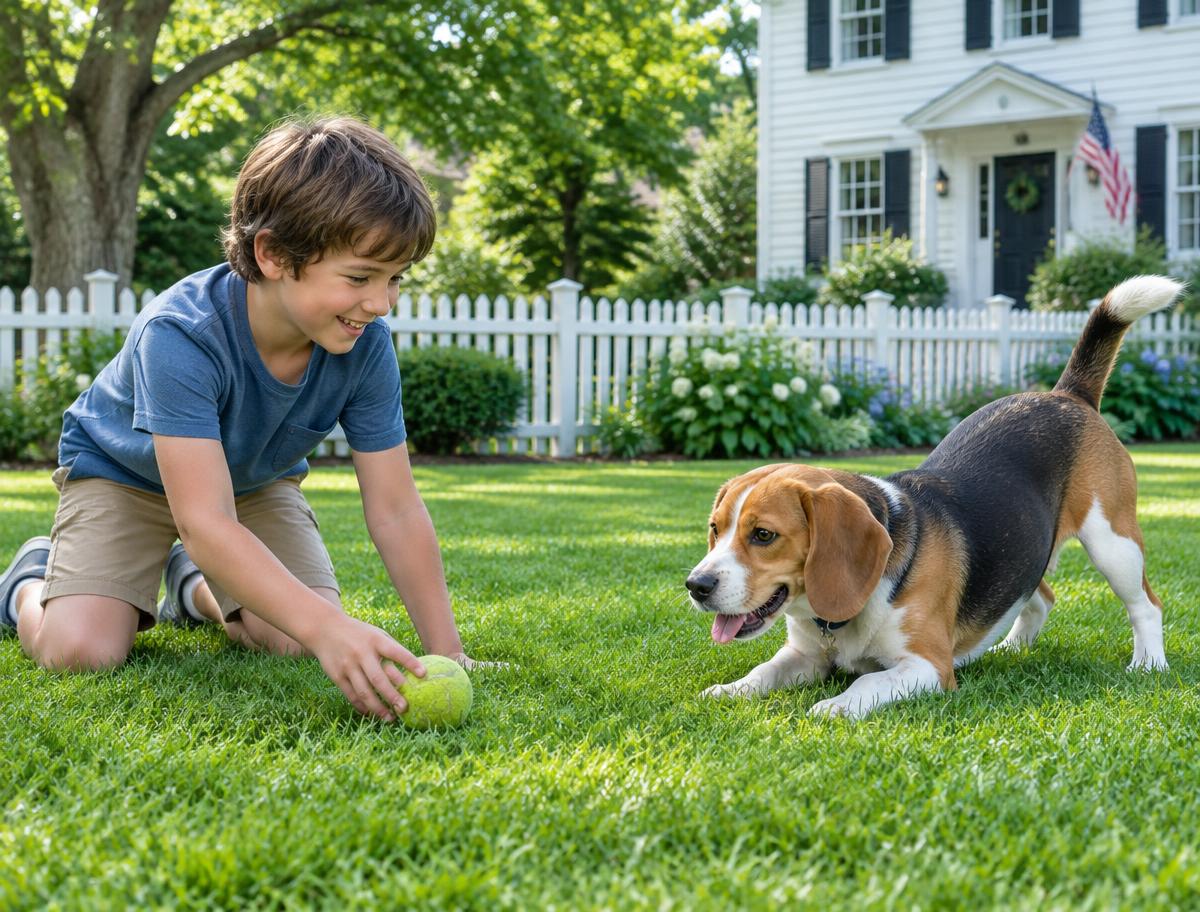
What Does Black Dog Poop Mean? A Guide for Pet Owners
Noticing black, tarry stool in your yard can be a cause for concern. Learn what this color change signals and when you should seek professional veterinary advice.
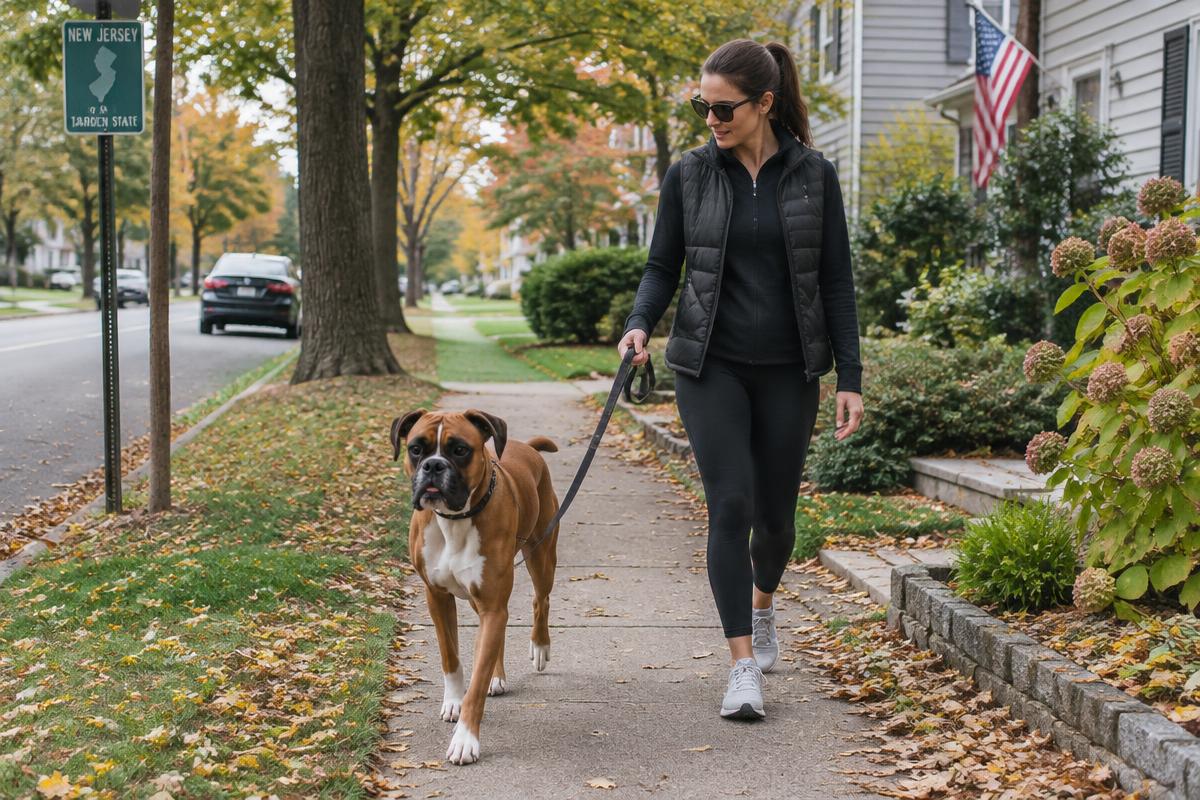
Dog Poop Color Chart: What Each Color Means
Monitoring your dog's stool is a simple way to track their digestive health. This guide breaks down common colors and what they might indicate for your pup.
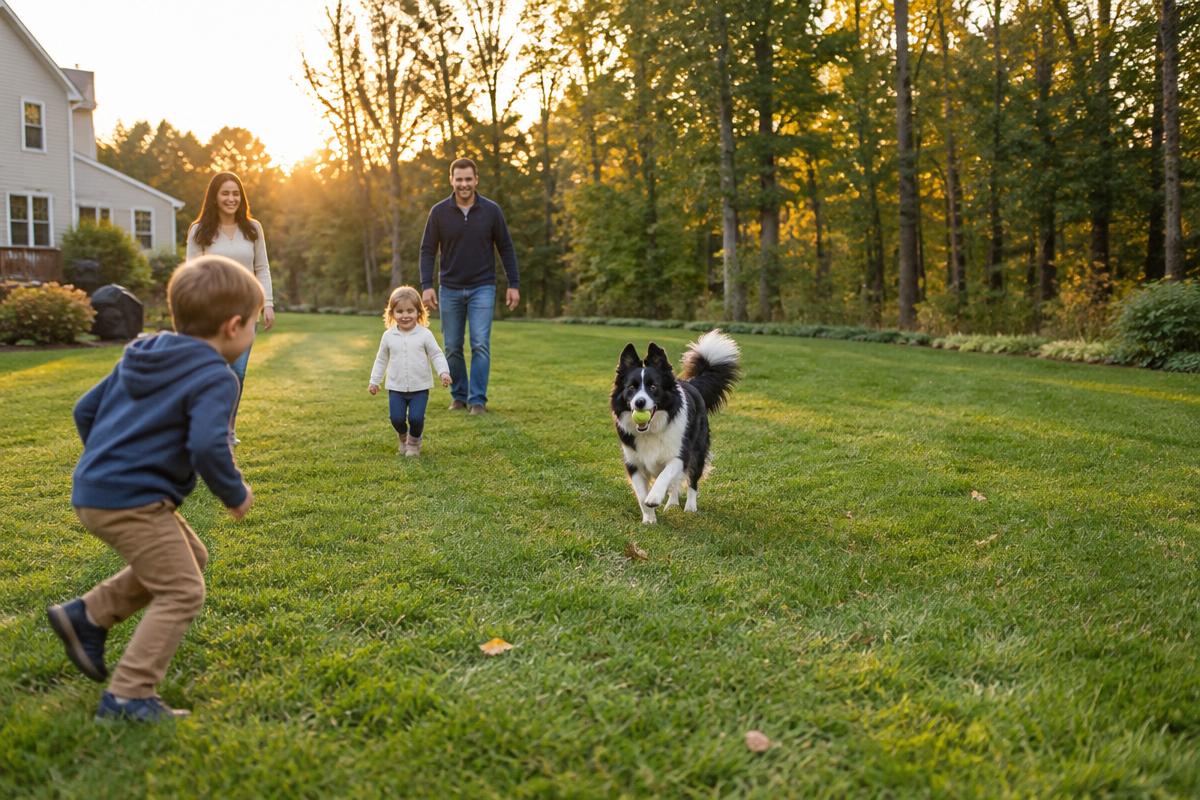
How to Firm Up Soft Dog Poop: Simple Tips for Pet Owners
Dealing with loose stools can be stressful for both you and your dog. This guide explores simple dietary adjustments and when you should seek professional veterinary advice.
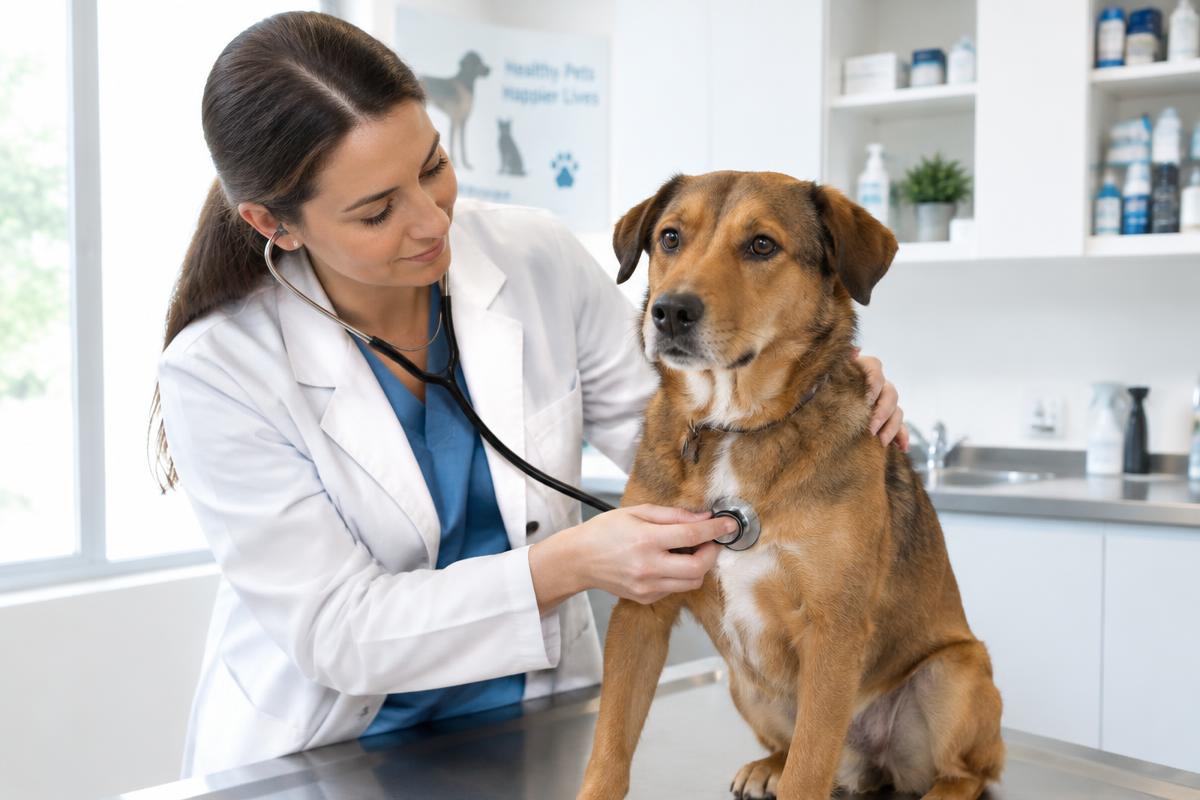
What Causes Diarrhea in Dogs? Common Triggers Explained
Dog diarrhea is a common issue that ranges from minor dietary indiscretion to serious health concerns. Understanding the triggers helps you keep your pet healthy.
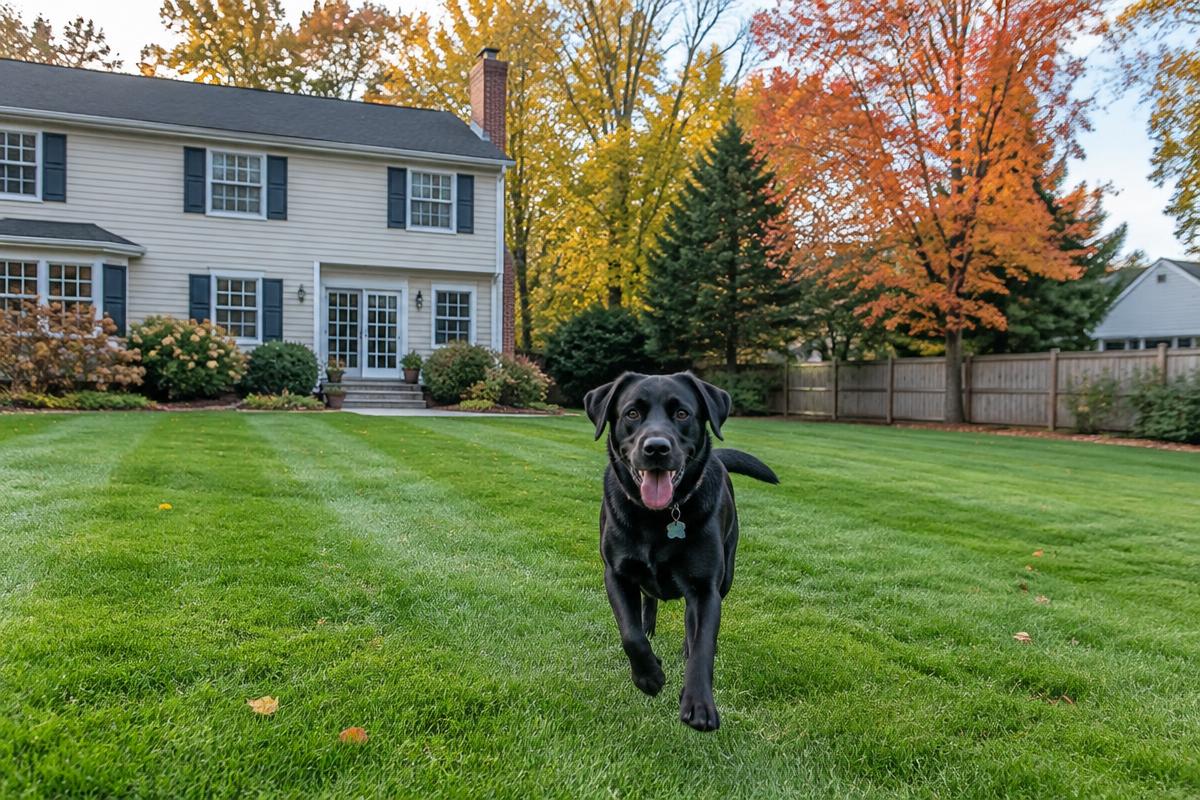
Is Dog Poop Good Fertilizer? The Truth for Your Yard
Many homeowners wonder if leaving pet waste on the lawn helps the grass grow. This guide explains why dog poop is not a safe fertilizer and how to manage it.
Is Dog Poop Bad for Grass? The Truth for New Jersey Lawns
Many homeowners believe dog waste acts as a fertilizer, but the reality is quite different for your lawn health. This guide explains why scooping matters for your grass and your family.
How to Get Rid of Dog Poop Smell in the Yard
Discover effective ways to neutralize outdoor pet odors and keep your lawn smelling fresh throughout the seasons. From natural remedies to routine cleanup, we cover everything you need to know.
How to Keep Dogs from Pooping in Your Yard: Practical Tips
Discover humane and effective strategies to discourage neighborhood dogs or your own pets from using your lawn as a restroom. From natural scents to physical barriers, we cover the best ways to protect your property.
What Dissolves Dog Poop in the Yard? Effective Solutions
Wondering if there is a quick way to melt away pet waste? Discover which substances actually work and which ones might damage your grass.
What to do with dog poop in the yard? Best solutions
Managing pet waste is a chore that every dog owner faces to maintain a clean home. This guide explores the best ways to handle dog poop in your yard effectively.
How to Dispose of Dog Poop Properly: A Complete Guide
Managing pet waste is a daily chore for dog owners that impacts both the environment and neighborhood cleanliness. This guide covers the most effective methods to handle dog waste responsibly.
Is it Illegal to Leave Dog Poop in Someone's Yard?
Wondering about the legal consequences of leaving dog waste on a neighbor's lawn? Discover the rules for Morris County residents and how to keep your community clean.
How to Clean Dog Poop Out of Carpet: A Practical Guide
Accidents happen, but you can save your flooring with the right approach. This guide covers how to clean dog poop out of carpet using safe, effective methods.
How to Get Dog Poop Off Shoes: Easy Cleaning Steps
Stepping in a surprise mess is a common frustration for pet owners. This guide provides practical steps to clean your footwear and sanitize your soles effectively.
How Long Does Dog Poop Take to Decompose?
Dog waste takes much longer to break down than many pet owners realize. Discover the decomposition timeline and the environmental impact of leaving waste on your lawn.
Can You Flush Dog Poop Down the Toilet? A Helpful Guide
Many pet owners wonder if the bathroom is the best place for canine waste. We explore the pros and cons of flushing dog poop to help you keep your home clean.
Can You Put Dog Poop in the Trash in New Jersey?
Navigating waste disposal laws can be tricky for pet owners. This guide explains how to properly dispose of dog poop in the trash across New Jersey.
Can Dog Poop Make Humans Sick? What You Need to Know
Understanding the health risks associated with pet waste is vital for every dog owner. This guide explains why prompt cleanup is necessary for a safe outdoor environment.
Can kids get sick from dog poop in the yard? Safety guide.
Playing in the grass is a childhood staple, but hidden pet waste can pose health risks. This guide explores how to keep your yard safe for children and pets alike.
Is Dog Poop Toxic to the Environment? Facts for Owners
Many people believe dog waste is natural fertilizer, but it actually contains harmful pathogens and excess nutrients. Learn the environmental impact of pet waste and how to manage it safely.
Does Dog Poop Pollute Streams and Lakes? Facts for Owners
Many pet owners wonder if leaving waste behind truly affects the environment. This guide explores the direct link between dog poop and water pollution in our local ecosystems.
How Much Does a Pooper Scooper Service Cost?
Wondering if professional pet waste removal fits your budget? Learn about the factors that influence pooper scooper pricing and why it is a smart investment for your lawn.
Is a Dog Poop Pickup Service Worth It for Your Yard?
Deciding whether to hire a professional waste removal service involves weighing your time against the cost. This guide explores the practical benefits of outsourcing this chore.
How Often Should You Pick Up Dog Poop in Your Yard?
Maintaining a clean yard requires a consistent schedule for pet waste removal. This guide covers how often you should scoop based on your dog's size and your household needs.
What is a Pooper Scooper Service?
A pooper scooper service provides professional pet waste removal for residential yards and commercial properties. Discover how this convenient service can save you time and improve your outdoor space.
Do I Need to Be Home for Dog Waste Removal?
Many homeowners wonder if they need to stay home while their yard is being cleaned. This guide explains how professional pet waste removal services operate efficiently without you needing to change your schedule.
How Do Poop Scooping Companies Keep Yards Sanitary?
Professional pet waste removal involves more than just picking up waste. Discover the sanitation protocols that keep your grass healthy and your family safe.
Weekly vs Twice Weekly Dog Poop Pickup: Choosing Your Plan
Choosing the right service frequency for pet waste removal depends on the number of dogs you own and how often you use your yard. This guide helps you determine if weekly or twice weekly visits fit your lifestyle.
How to Clean Up Dog Poop in Winter Snow: A Guide
Cleaning up after your pet during a Morris County winter requires the right tools and timing. This guide explains how to manage pet waste even when the snow piles up.
What to Do About Dog Poop After the Snow Melts
When the winter snow finally recedes, many Morris County homeowners are faced with a season's worth of accumulated pet waste. This guide explains how to safely and effectively restore your yard.
Spring Yard Cleanup for Dog Owners: A Complete Guide
Spring is the perfect time to refresh your yard after a long New Jersey winter. Follow these practical steps to restore your lawn and keep your dog happy and healthy.
How to Clean Up Dog Poop in Fall Leaves: Easy Yard Tips
Cleaning up after your pet becomes much harder when autumn leaves blanket the ground. Discover effective tools and techniques to manage pet waste during the fall season.
How to Pick Up Dog Poop in Tall Grass: A Simple Guide
Finding pet waste in an overgrown yard can be a challenge. This guide offers practical tips for locating and removing dog poop from tall grass without leaving a mess.
Best Tools to Pick Up Dog Poop: A Complete Guide
Finding the right equipment for pet waste removal makes yard maintenance much easier. This guide explores the most effective tools for keeping your outdoor space clean.
How to Pick Up Runny Dog Poop: A Simple Guide
Cleaning up loose or runny dog waste can be a frustrating challenge for any pet parent. This guide provides practical steps to manage messy cleanup on grass and pavement.
How to Sanitize a Yard After Parvo: A Recovery Guide
Parvovirus is a resilient threat to dogs that can linger in the environment for months. This guide explains the necessary steps to disinfect your outdoor space effectively.
Can Dog Poop Spread Parvo? Safety Tips for Pet Owners
Parvovirus is a serious concern for dog owners because it survives easily in the environment. Understanding how waste contributes to its spread is the first step in protecting your pets.
Can Dog Poop Spread Giardia? Tips for Morris County Owners
Giardia is a common concern for pet owners, but understanding how it spreads through waste can help you keep your backyard safe. Learn the risks and how to manage pet waste effectively.
Roundworms and Hookworms in Your Yard: What to Know
Intestinal parasites like roundworms and hookworms can linger in your soil long after waste is gone. Understanding their life cycle is the first step to a safer backyard.
How to Get Rid of Flies from Dog Poop and Keep Your Yard Clean
Learn why flies are attracted to pet waste and discover practical steps to eliminate these pests from your outdoor space. From sanitation to natural repellents, we cover the best solutions for a fly free yard.
Does Dog Poop Attract Rats and Mice to Your Yard?
Dog owners often wonder if leaving waste in the yard invites unwanted pests. This guide explores the connection between pet waste and rodent activity in New Jersey yards.
Does Dog Poop Attract Coyotes? What NJ Homeowners Should Know
Coyotes have a powerful sense of smell and are drawn to areas where they can find food or mark territory. Pet waste can play a significant role in bringing these predators closer to your home.
How to Fix Dog Urine Spots on the Lawn in Morris County
Brown spots in your yard from dog urine can be frustrating for any homeowner. Learn the science behind these patches and discover simple ways to restore your lush green grass.
How to Grow Grass Where Dogs Poop: A Morris County Guide
Maintaining a green lawn with pets can be a challenge due to nitrogen burn and soil compaction. This guide explains how to repair bare spots and keep your grass healthy.
Best Grass for Yards With Dogs: A Morris County Guide
Selecting the right turf can make all the difference for homeowners with active pets. This guide explores the most resilient grass varieties for the New Jersey climate.
Artificial Turf and Dogs: How to Keep It Clean
Artificial turf is a durable solution for pet owners, but it requires specific maintenance to stay fresh. Learn the best ways to sanitize your synthetic lawn and manage pet waste effectively.
How to Clean a Dog Run: A Complete Guide
Maintaining a clean dog run is essential for your pet's health and your home's curb appeal. This guide covers daily maintenance, sanitizing methods, and odor control.
How to Clean a Dog Kennel Area: A Step by Step Guide
Keeping your dog's living space clean is essential for their well being and your home's hygiene. This guide covers the best methods for deep cleaning and daily maintenance of outdoor kennels.
How to Clean Dog Poop Off a Patio or Deck
Cleaning pet waste from hard surfaces requires specific steps to avoid staining and odors. This guide covers how to sanitize your patio or deck effectively.
Does Vinegar Neutralize Dog Poop Smell? Tips for Yards
Discover the effectiveness of vinegar for eliminating pet waste odors. This guide covers practical solutions for Morris County homeowners looking to maintain a clean yard.
Is Bleach Safe for Cleaning Dog Poop Areas? A Guide
Using household bleach to clean up after your dog might seem like a good way to sanitize, but it carries significant risks for your pet and the environment.
Pet Safe Yard Deodorizers That Actually Work
Tired of stubborn pet odors in your grass? Discover the most effective pet safe yard deodorizers and natural solutions to keep your outdoor space smelling clean.
How to Train a Dog to Poop in One Spot
Teaching your dog to use a designated bathroom area protects your lawn and makes cleanup easier. This guide provides practical steps for Morris County residents to achieve a cleaner yard.
How to Stop a Dog from Pooping in the House: A Guide
Struggling with indoor accidents? This guide covers practical steps to retrain your dog and restore cleanliness to your home.
Why Does My Dog Poop in the House at Night?
It is frustrating to wake up to a mess on the floor. Learn the common reasons dogs have accidents at night and how to get your routine back on track.
How to Potty Train a Puppy Fast: A Morris County Guide
Potty training a new puppy requires patience and a structured routine. Follow these professional tips to speed up the process and keep your home clean.
How Many Times a Day Should a Puppy Poop? A Guide
New puppy owners often worry about their pet's bathroom habits. This guide explains the normal frequency for puppy bowel movements and how to manage the mess.
Why Does My Dog Poop So Much? Causes and Solutions
Understanding your dog's bathroom habits is key to monitoring their health. This guide explores why your pet might be going more often and how to manage the cleanup.
Why Does My Dog's Poop Smell So Bad? A Simple Guide
If your dog's waste is unusually smelly, it could be related to their diet or digestion. Discover common reasons for bad odors and when you should call your vet.
Why Is My Dog Straining to Poop? Common Causes and Tips
Straining during a bathroom break can be a sign of minor issues or serious health concerns. This guide helps you understand why your dog is struggling and how to respond.
Why Does My Dog Eat Grass and Then Poop?
It is common for pet owners to worry when they see their dog grazing on the lawn. This guide explains the reasons behind grass eating and how it affects your dog's digestion.
Can a Dog's Diet Change Their Poop? Expert Advice
What your dog eats directly impacts the consistency, color, and frequency of their waste. Understanding these changes helps you monitor your pet's overall health and digestive wellness.
Best Dog Food for Firm Stools: A Guide for Morris County Owners
Struggling with messy cleanups in your yard? Discover how choosing the right diet can lead to firmer stools and a healthier dog.
Is Pumpkin Good for Dog Diarrhea?
Discover how pumpkin can soothe your dog's upset stomach and help with digestion. This guide covers safe serving sizes and important safety tips for pet owners.
When Should I Worry About My Dog's Poop? A Parent's Guide
Understanding what is normal for your dog can help you spot health issues early. This guide covers the common warning signs in pet waste that require a call to the vet.
How to Collect a Dog Stool Sample for the Vet
Collecting a stool sample is a common task for pet owners but requires proper technique to ensure accuracy. This guide explains how to gather and store a sample safely for your veterinarian.
Why Does My Dog Circle Before Pooping?
Ever wonder why your furry friend spins in circles before doing their business? Explore the biological and evolutionary reasons behind this common canine behavior.
Why Does My Dog Kick Grass After Pooping?
It is common to see a dog vigorously kicking up dirt and grass after they finish their business. This behavior is rooted in ancient instincts involving scent marking and communication.
Why Does My Dog Look at Me While Pooping?
It is a common and often awkward experience for pet owners when their dog stares directly at them while doing their business. This behavior is rooted in ancient instincts and the deep bond between humans and their canine companions.
Are Biodegradable Poop Bags Really Biodegradable?
Many pet owners use biodegradable bags thinking they disappear instantly, but the reality is more complex. This guide explains what happens to those bags after they reach the landfill.
Can You Compost Dog Poop? A Guide for Morris County Residents
Composting pet waste is a common question for environmentally conscious homeowners. While possible, it requires specific techniques to ensure safety and sanitation.
What is a Dog Waste Digester and Does It Work?
Curious about eco-friendly pet waste disposal? This guide explains how dog waste digesters function and whether they are effective for home use.
Are Dog Waste Stations Worth It for HOAs in Morris County?
Evaluating the benefits of pet waste stations for homeowners associations involves looking at community cleanliness and property values. This guide explores whether the investment is right for your neighborhood.
Dog Poop Rules for HOAs and Condo Communities
Navigating HOA and condo association pet rules can be complex for dog owners. This guide covers common waste removal policies and how to stay compliant with local community standards.
New Jersey Dog Waste Laws Explained for Pet Owners
Understanding local and state pet waste regulations is essential for every New Jersey dog owner. This guide covers the legal requirements and environmental impact of managing dog waste.
What is the fine for not picking up dog poop in NJ?
New Jersey pet owners face varying fines for failing to clean up after their dogs. This guide covers state regulations and local enforcement across Morris County.
How to Talk to a Neighbor About Dog Poop Problems
Approaching a neighbor about pet waste can be uncomfortable. This guide offers practical advice on starting the conversation politely while keeping your neighborhood clean.
How to Get Your Yard Ready for a Backyard Party With Dogs
Planning a backyard party involving four-legged guests requires careful preparation. This guide covers essential steps to ensure your lawn is safe and clean for everyone.
How to Clean the Yard Before Selling Your House
First impressions matter when listing a property, and the condition of your lawn is often the first thing buyers notice. Follow these essential steps to ensure your yard is fresh and welcoming.
Dog Poop and Lawn Mowing: Why You Should Never Mow Over It
Mowing over pet waste might seem like a shortcut, but it actually spreads bacteria and ruins your grass. Learn why you should always clear the yard before the mower comes out.
Is it Safe to Let Dogs Play in a Yard With Old Poop?
Allowing your dog to run through a yard littered with old waste poses several risks to their health and your home. This guide explains the hidden dangers and how to maintain a safe outdoor space.
How Much Poop Does a Dog Produce in a Year?
Ever wonder exactly how much waste your canine companion leaves behind annually? The answer might surprise you and change how you view yard maintenance.
Multi Dog Households: Managing Yard Waste Effectively
Living with multiple dogs brings extra joy but also extra cleanup. Learn how to keep your lawn clean and safe with these practical waste management strategies.
Senior Dogs and Changes in Bathroom Habits: What to Know
As dogs age, their digestive and urinary needs often change. This guide explains common senior bathroom transitions and when it is time to consult your veterinarian.
Why Does My Dog Only Poop on Walks?
Is your dog holding it until you head out for a stroll? Discover the natural instincts and physical reasons why some dogs refuse to go in their own backyard.
Why Won't My Dog Poop in the Rain?
Is your dog suddenly refusing to go outside when it rains? Explore the common reasons for this behavior and learn how to help your pup feel more comfortable.
Dog Park Poop Etiquette in Morris County: A Guide
Visiting a dog park in Morris County is a great way to socialize your pup, but it requires following certain rules of etiquette. Learn how to manage pet waste responsibly to keep our community spaces safe and clean.
Gift Ideas for Dog Owners: A Pooper Scooper Service Guide
A pooper scooper service is a unique and highly practical gift for any dog lover. Learn how professional waste removal can transform a backyard and provide much needed convenience.